Why recovery lives inside the everyday
We tend to think of recovery as an activity.
Something scheduled. Something earned. Something we step out of life to do.
But your nervous system doesn’t work that way.
It doesn’t distinguish between ritual and routine.
It doesn’t wait for perfect conditions.
It responds to what is familiar, predictable, and repeated.
In other words: recovery isn’t separate from your day.
It’s happening inside it.
Your nervous system has receipts
For a long time, we assumed memory lived in the mind – neat, logical, easy to explain.
But the body has always had its own way of remembering.
Psychiatrist Bessel van der Kolk, author of The Body Keeps the Score (2014), helped popularise the idea that our nervous system records experience through sensation, rhythm, and repetition – not just through thought.
What the body remembers best isn’t effort.
It’s familiarity.
Repeated moments:
- The same pause at the end of the day
- The same slow breath
- The same quiet routine
begin to feel recognisable. And when something is recognisable, the nervous system doesn’t have to stay on high alert.
Over time, these small, ordinary experiences send a gentle message:
you’ve been here before
nothing bad followed
you can soften now
This is why recovery doesn’t always feel like “rest.”
Sometimes it feels like doing something you’ve done a hundred times before – and letting your body remember that it’s safe there.

When recovery became a destination
We tend to imagine recovery as something separate. We started treating it as a response to exhaustion instead of a way of being. A break from life, rather than something woven through it.
That’s understandable. Rest is often framed as something you earn. Something that requires time, intention, or ideal conditions. Something separate from the messiness of everyday life.
But your nervous system doesn’t make that distinction.
It doesn’t know whether a moment was designed as recovery or simply repeated often enough to feel familiar. It responds to consistency, not labels.
And this is where ritual quietly enters the conversation.
Ritual as a Method of Recovery
Ritual isn’t something extra you add to your life once you’ve burnt out.
It’s one of the ways the body learns to recover in the first place.
The nervous system responds to rhythm. To repetition. To transitions that happen the same way twice — and then ten times — and then so often they no longer require effort.
That repetition is what makes something a ritual.
And when a ritual is repeated often enough, the body begins to anticipate what comes next. Anticipation reduces vigilance. It lowers the need to scan for threats. It softens the edges of alertness.
In practical terms, that might look like:
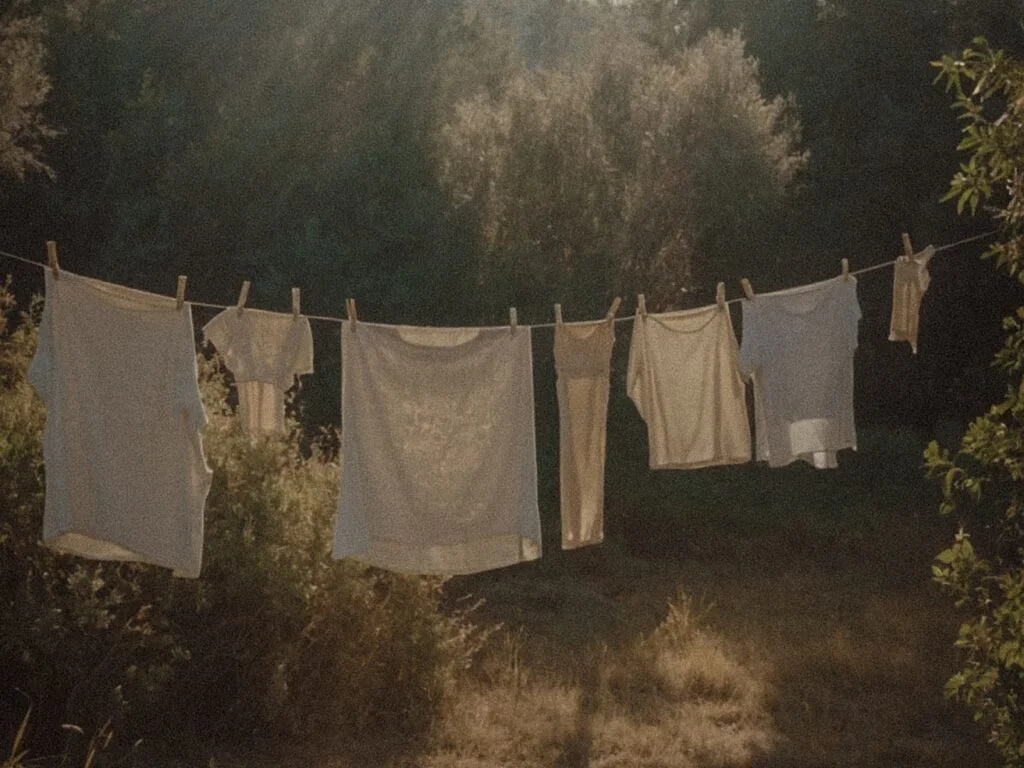
- folding laundry without rushing it
- stepping outside for a minute without your phone
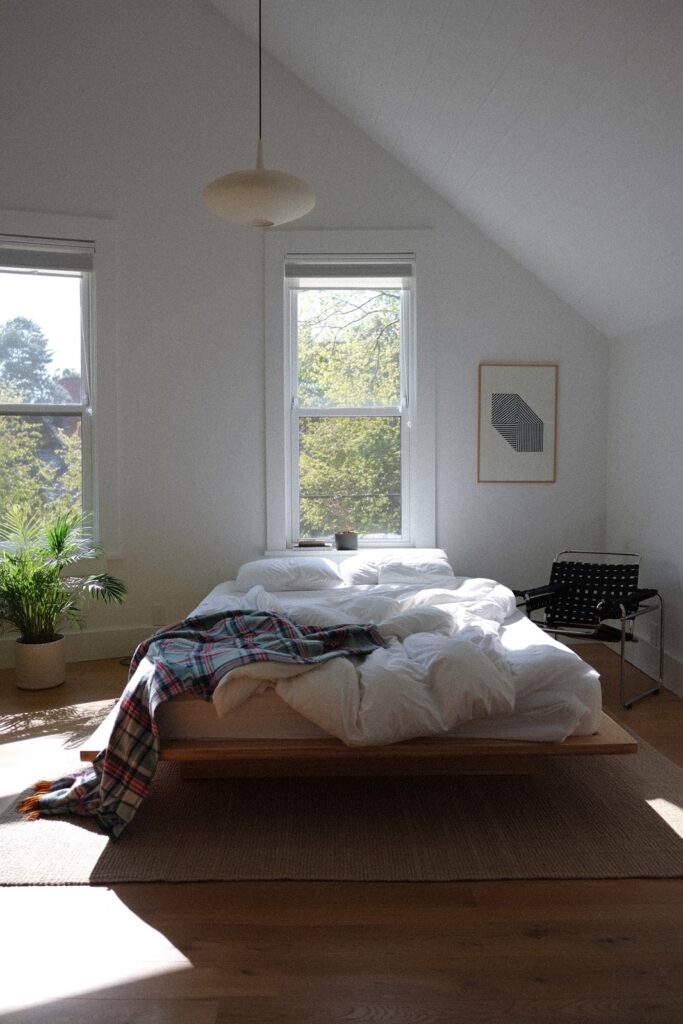
- sitting on the edge of your bed and taking a breath before lying down
- letting the kettle boil all the way instead of turning it off early
- re-reading a page because you weren’t quite finished with it
Because the reality is, most of us can’t step away from our tasks, our jobs, our families, our obligations every time our nervous system feels stretched.
We can’t cancel the day just to calm down.
But we can change the rhythm inside it.
These moments don’t remove you from life.
They regulate you inside it.
Over time, ritual becomes a signal.
Not because it’s profound — but because it’s predictable.
And predictability is one of the nervous system’s favourite forms of safety.
Recovery doesn’t require escape.
It requires repetition gentle enough to teach the body that it can stand down.
Ritual is that repetition.
Note: ritual Isn’t rigidity
You might hear the word ritual and immediately think routine. Structure. Rigidity.
That’s not what this is.
The nervous system isn’t looking for perfection. It’s looking for familiarity.
A ritual doesn’t have to happen at the same time every day. It doesn’t need to be aesthetic, optimised, or exact. It simply needs to be recognisable.
If it shifts slightly, it still counts.
If you miss it, nothing collapses.
Recovery isn’t built on strict adherence.
It’s built on patterns soft enough to feel safe.

Think about something as ordinary as peeling an orange.
You’ve done it before.
Your hands know what to expect.
The scent, the texture, the resistance of the skin.
There’s no urgency in it. No performance.
Just repetition.
And that repetition is what teaches the nervous system it can relax.
Recovery doesn’t always look like rest.
Sometimes it looks like doing something familiar, slowly enough for your body to remember it’s safe.