I’ve lost count of how many times I’ve said it.
“I’ll start again Monday.”
It usually happens quietly. I miss one session. Then another. Life fills the space faster than I expect it to. And before I know it, I’ve decided that the best thing to do is wait. Not because I don’t care – but because restarting feels easier when it’s neat, contained, symbolic. Monday feels like permission. A very A-type way of convincing myself that starting will be easier if it looks tidy.
But Mondays are rarely as calm as we imagine them. They arrive busy, loud, and already full. When they don’t go to plan, the restart gets pushed again. One missed class turns into weeks off – not because anything went wrong, but because I made the return feel heavier than it needed to be.
What I’ve learned is that the real setback isn’t missing a session. It’s the story we tell ourselves after we do.
The story we attach to the pause
Somewhere along the way, movement stopped being something I did instinctively and started becoming something I scheduled, measured, and judged.
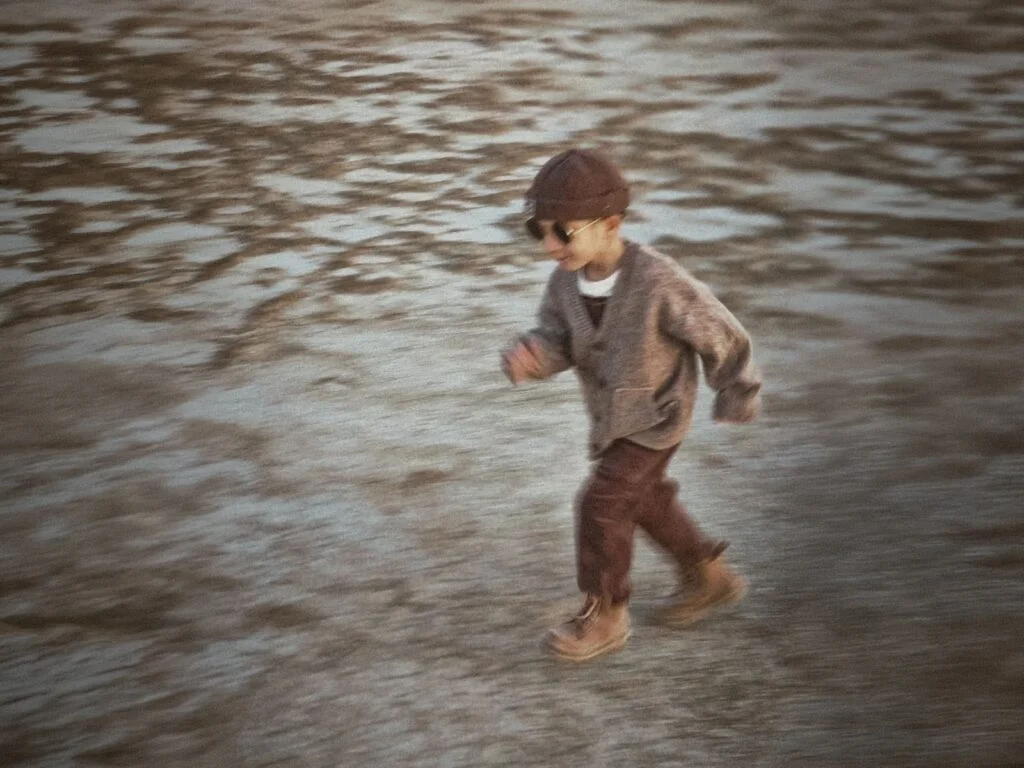
As a child, I never waited for the “right time” to move. I ran because it felt good. I stretched because my body asked for it. I moved without wondering if it counted.
There was no perfection. No pressure. No Monday.
That version of movement didn’t disappear – it just got buried under expectations. And when movement feels like something we have to restart perfectly, it’s no wonder we hesitate to begin at all.
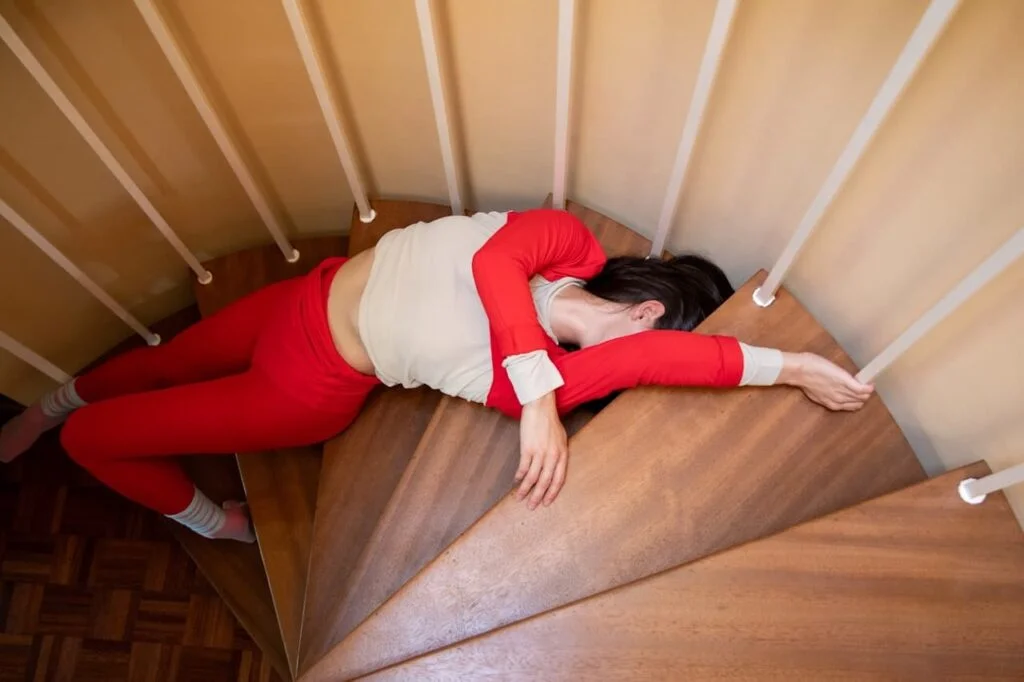
If the pause isn’t the problem, then the way we return matters more than the day we choose to do it.
Relearning movement as play, not punishment
I won’t pretend Pilates is always easy. Some days I’m genuinely swearing at my (online) instructor because my body is violently shaking and nothing feels graceful. But even then, I enjoy it. I finish feeling strong and more put together, like my body is working the way it should.
That feeling isn’t so different from being a kid. Trying something hard. Falling out of it. Laughing (or crying). Getting back up. Moving because it feels good to figure out what your body can do.
When movement feels like that again, imperfect, challenging, but enjoyable, it stops needing to be “restarted.” It just becomes something you return to.
When movement is shared
As kids, we rarely moved alone. We copied each other, laughed through the hard parts, and kept going because someone else was there too.
That still matters. Moving with other people makes things feel lighter. The pressure softens. Effort feels less personal. And suddenly, movement isn’t something to push through, it’s something you’re part of.
The myth of the “Proper Restart”
We’ve convinced ourselves that coming back only counts if it’s done properly. A full week. A full class. No shortcuts. No easing in.
So when we can’t do it perfectly, we don’t do it at all.
The truth is, there’s nothing noble about waiting for the ideal restart. Movement doesn’t need a clean slate. It doesn’t care if it’s Tuesday or ten minutes long. It just responds to being done.
Letting go of the idea of a “proper” restart is often the moment momentum returns. Not because you’re doing more, but because you’re finally doing something.
Pauses are part of the practice
Earlier, I wrote that if the pause isn’t the problem, then the way we return matters more than the day we choose to do it. Kids seem to understand that instinctively.
Children don’t see pauses as failure. They stop, rest, get distracted, then move again without judgement. The pause isn’t the end of movement, it’s simply part of it.
When we allow ourselves that same rhythm, returning feels lighter. Less loaded. We stop waiting for the “right” moment and start trusting that movement will always be there to come back to. And in that way, the practice never really stops.
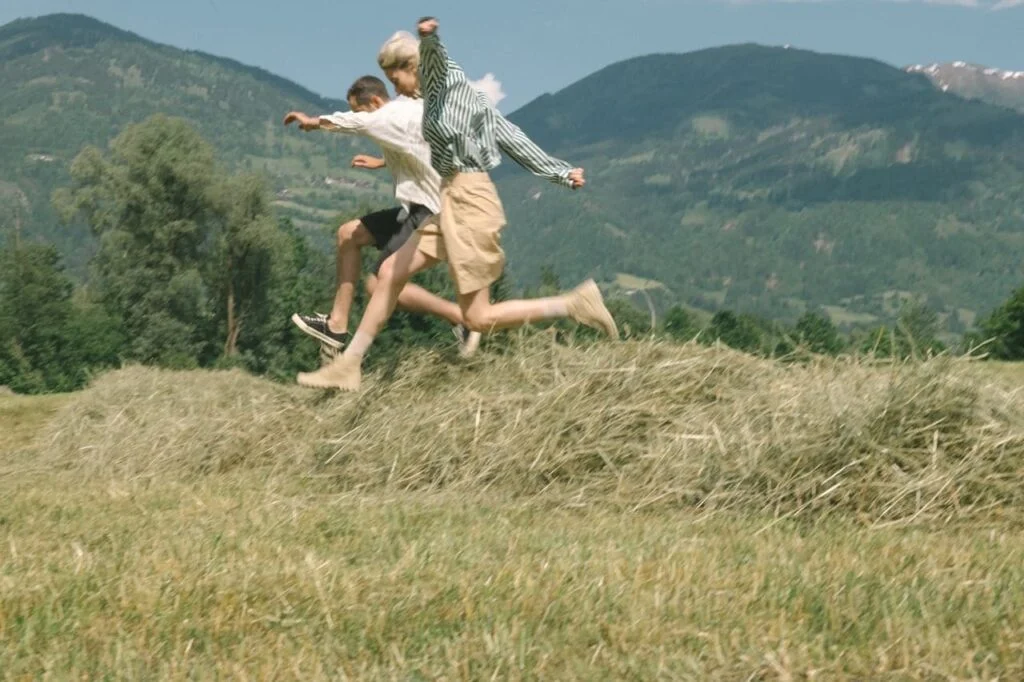
Maybe the answer isn’t starting again at all. Maybe it’s letting go of the idea that movement needs a reset.
When we stop waiting for the perfect moment and start moving in ways that feel enjoyable, shared, and sustainable, momentum tends to follow. Not loudly. Not all at once. Just enough to keep going.
And that’s often all we need.
Movement doesn’t need a Monday.